
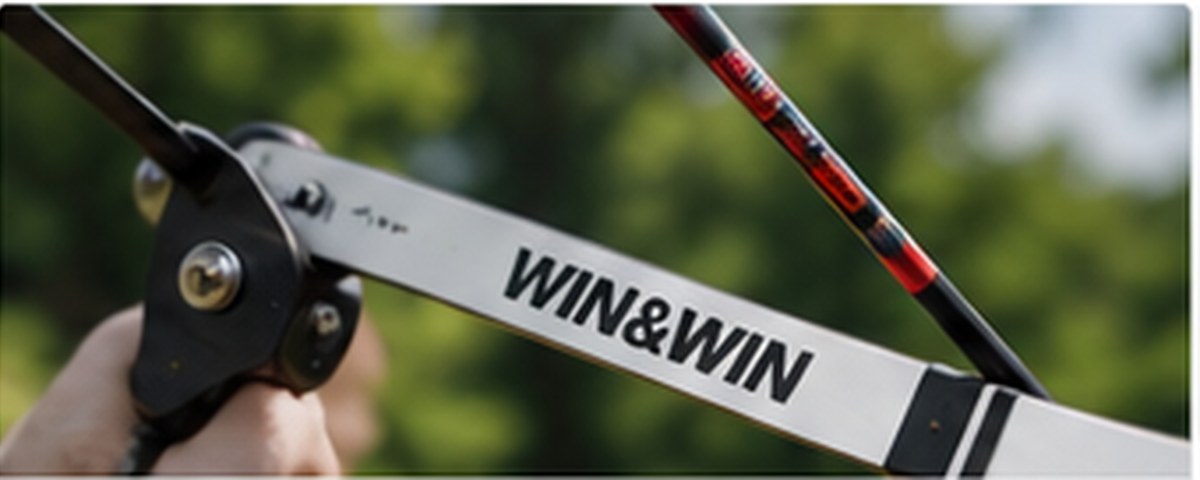
Spine describes arrow stiffness. An arrow must flex as it leaves the bow, but it must flex in a predictable way. If it is far too weak or too stiff for the setup, tuning becomes difficult and groups can suffer.
Static and dynamic spine
Static spine is a measured stiffness value under standard conditions. Dynamic spine describes how the arrow behaves from your actual bow, taking account of length, point weight, string, draw weight and bow efficiency.
What changes dynamic reaction?
| Change | Typical effect |
|---|---|
| Longer shaft | Behaves weaker |
| Shorter shaft | Behaves stiffer |
| Heavier point | Behaves weaker |
| Lighter point | Behaves stiffer |
| Higher draw weight | Needs a stiffer arrow |
Why the number can look backwards
On many carbon shafts, a lower printed spine number represents a stiffer shaft, for example a 500 shaft is generally stiffer than a 700 of the same family. Aluminium shaft codes use a different sizing convention, so always read the manufacturer information.
Tuning confirms the choice
A chart gives a starting point. Bare-shaft testing and other tuning methods can show whether the complete setup is behaving appropriately. Technique must be consistent enough for the test to mean something.
Further reading and official guidance
Club note: This guide supports coaching rather than replacing it. If a coach, judge or field captain gives an instruction for safety or competition procedure, follow that instruction.